Thermomechanical Heat Generation
A Xeon NC Process Guide on managing heat buildup during precision machining.
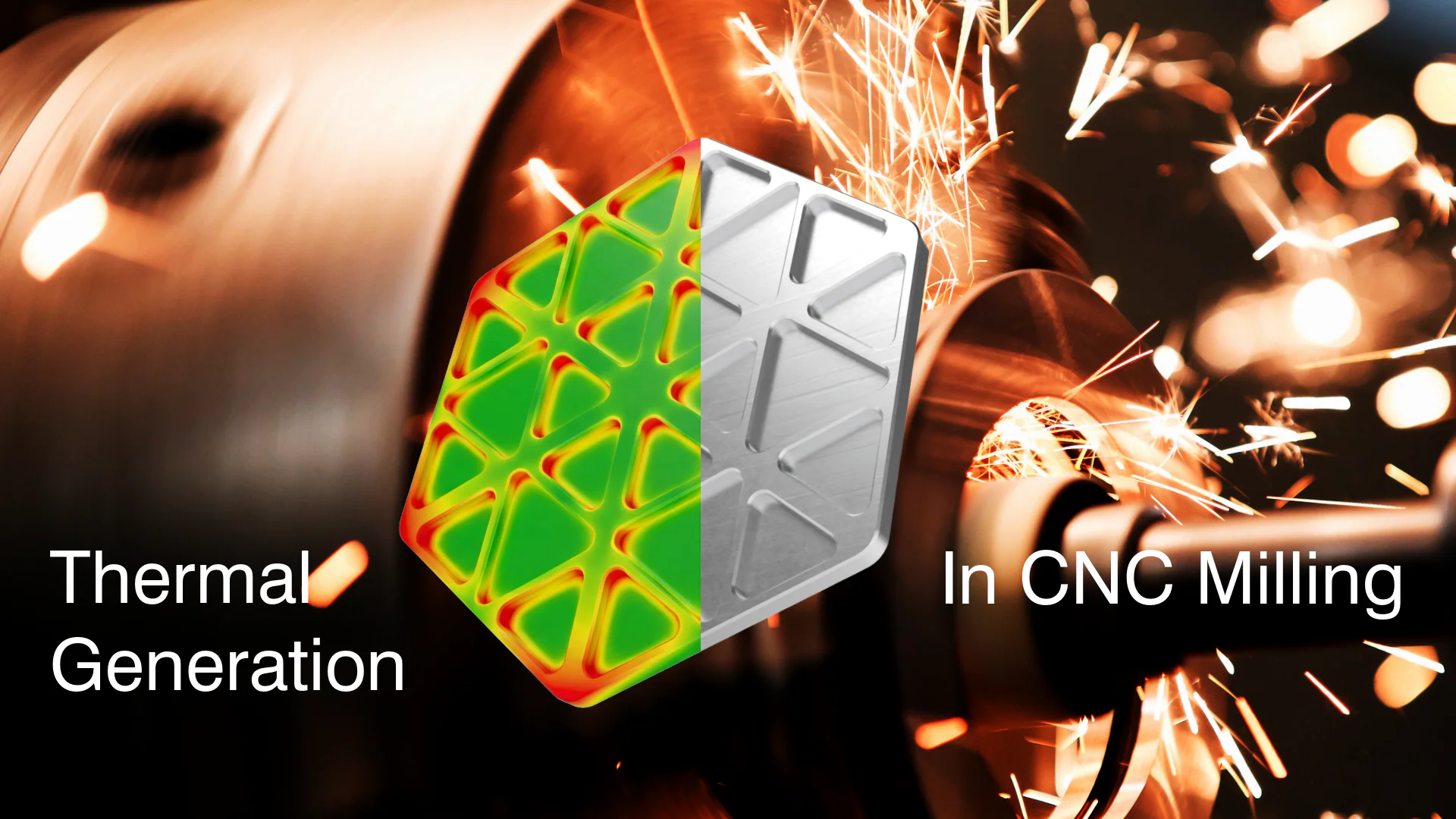
In precision CNC operations, nearly all of the energy consumed by the spindle and axes is ultimately converted into heat. This thermomechanical heat generation dictates everything from achievable tolerances to tool life spanning high-speed machining processes.
Before metal is structurally sheared from a block, it is heavily distorted and stressed. This combined plastic deformation and structural friction introduces vast thermal loads into cutting tools, chips, and the final manufactured component.
Machining Heat Generation Zones
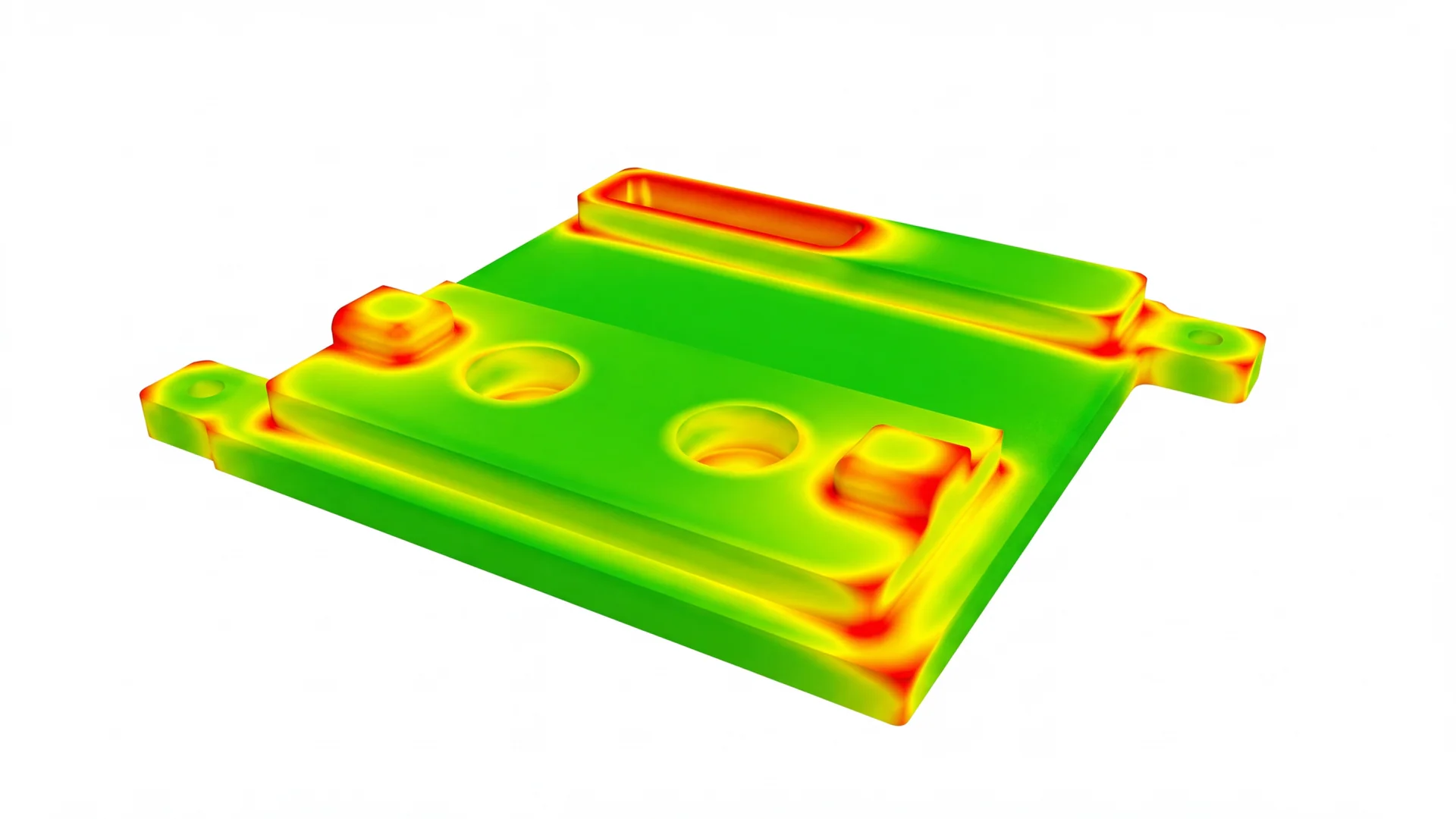
In standard subtractive manufacturing, the heat is fundamentally distributed across three primary zones natively interacting at the cutting edge:
- Primary Shear Zone: The primary source of thermal buildup, occurring just ahead of the tool. Here, the lattice structure of the material yields, permanently plastically deforming to create a chip. Over 70% of total heat stems from this atomic tearing.
- Secondary Deformation Zone: Located as the freshly separated chip forcefully slides directly up the rake face of the cutting tool. Extreme contact friction here imparts heavy thermal penalties directly onto the carbide flutes.
- Tertiary Friction Zone: The clearance face beneath the cutting tool physically scuffing against the freshly machined surface grid. When tools begin to dull and lose sharp relief, tertiary friction skyrockets, risking workpiece burning.
Heat Buildup: Plastic Deformation vs. Friction
Thermomechanical energy generated via plastic shear dictates that the primary output medium is the evacuated chip itself. Efficient machining centers leverage optimal speeds and feeds to propel this heat entirely out of the component embedded within the chip mass before it has time to conduct back into the workpiece.
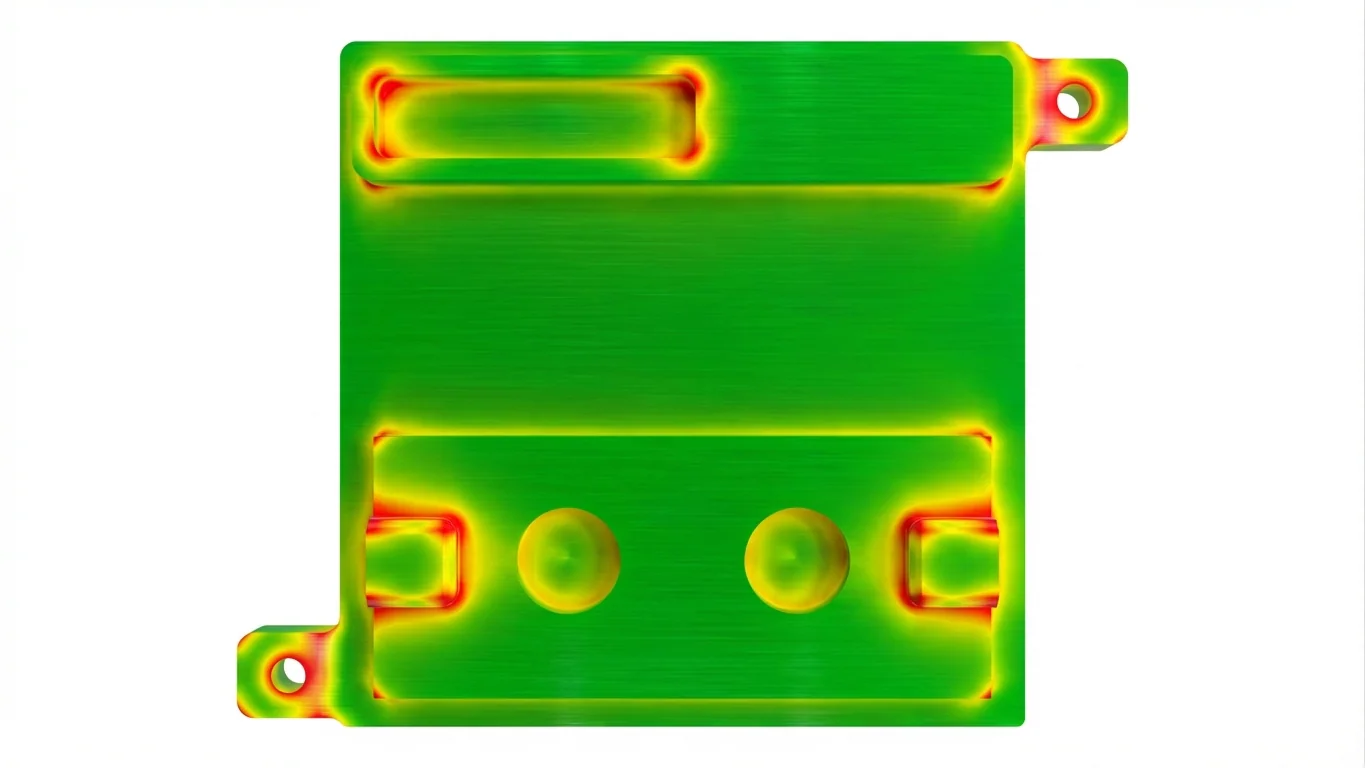
Features That Trap Machining Heat
Geometric layout inside the component directly defines where heat becomes trapped versus where it can cleanly dissipate during continuous cuts:
- Deep Pocketing: Excavating deep, confined cavities prevents proper chip evacuation and floods the tool interface with sustained friction. Trapped chips undergo secondary re-cutting, massively amplifying localized temperatures.
- Thin-Wall Cross Sections: Narrow ribbing has virtually no cross-sectional mass to absorb or distribute incoming thermal energy. Thin web sections heat saturate instantly, frequently deflecting away from the cutting tool mid-operation.
- Heavy Stock Roughing Intersections: Areas where intersecting toolpaths command sudden spikes in lateral tool engagement often initiate a rapid burst in shear temperature without complementary coolant coverage.
Material Sensitivities to Thermal Loads
How varying sheet metal and billet stock reacts to heat fundamentally dictates secondary programming protocols:
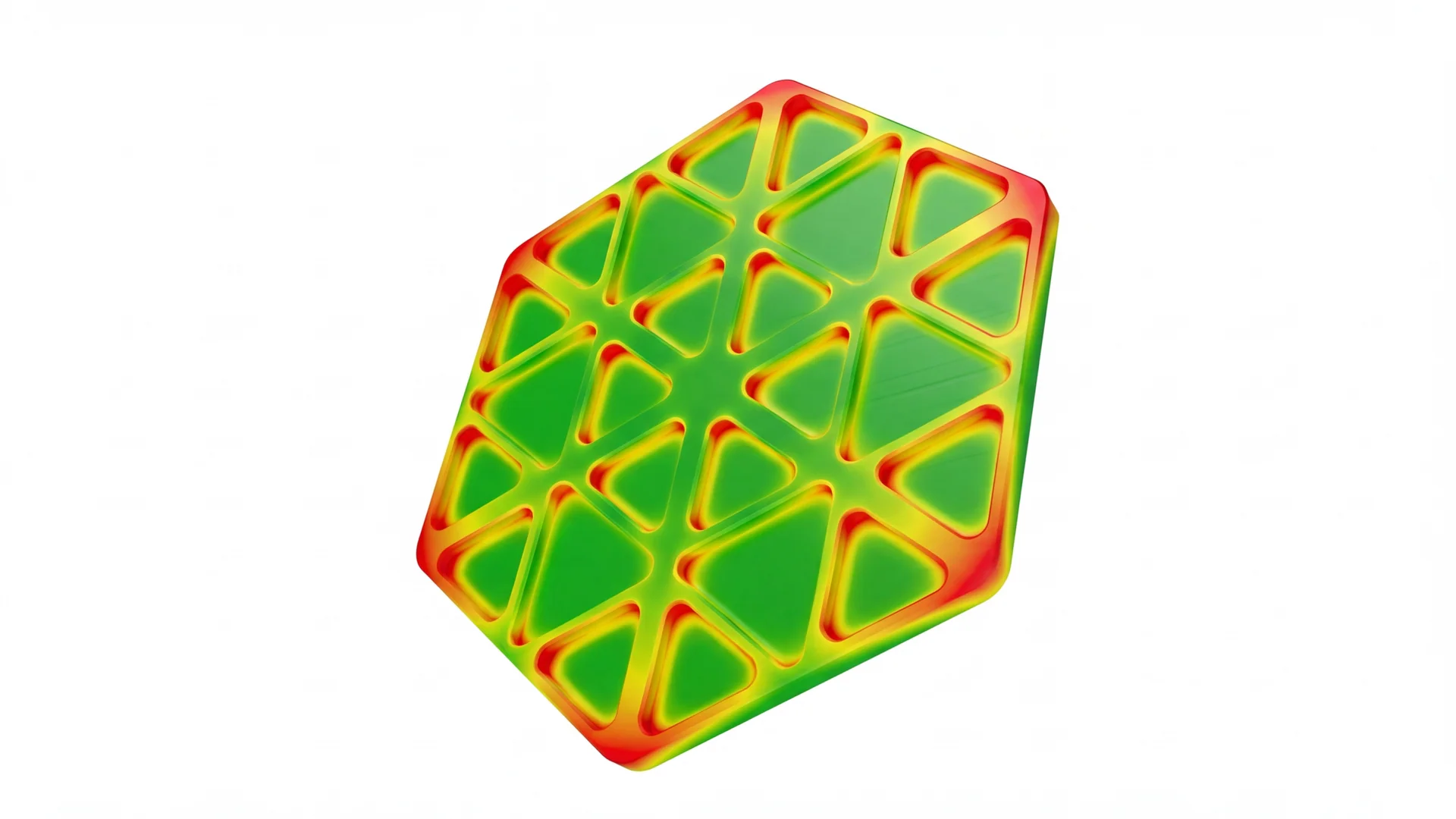
- Aluminum Alloys (6061, 7075): Incredible thermal conductivity, meaning heat freely disperses throughout the part geometry. However, high malleability means frictional heat easily triggers catastrophic "built-up edge" (BUE) where aluminum physically welds itself to the cutting tool flutes.
- Titanium and Superalloys: Notorious for abysmally low thermal conductivity. Almost 100% of generated heat is retained directly at the localized cutting edge point, rather than moving through the chip or bulk material. This vaporizes standard cutting tools almost immediately without incredibly precise high-pressure coolant strategies.
- 304 / 316 Stainless Steel: Subject to intense work-hardening. Every initial pass generates thermal strains that physically harden the remaining boundary. If feeds drop or dwell, subsequent tooling strikes a dramatically harder, heat-altered surface demanding slower operational thresholds.