The Powder Coating Process
A Xeon NC Process Guide on dry finishing, part hanging, and durability
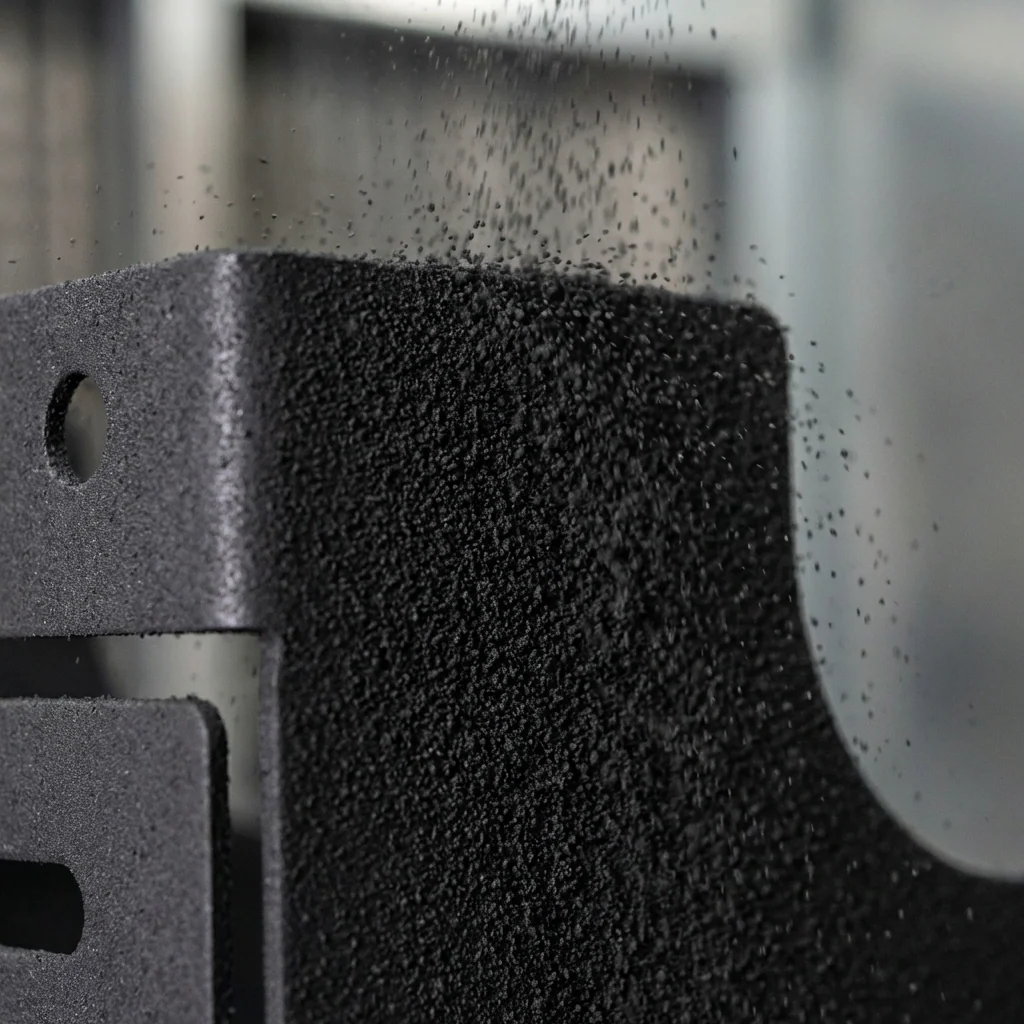
Powder coating is one of the most resilient, high-quality finishes available for custom sheet metal components. Unlike traditional liquid paint, powder coating is a dry finishing process.
A specialized electrostatic spray gun applies finely ground particles of pigment and resin directly onto an electrically grounded metal part. Because the part is grounded, the charged powder particles are magnetically drawn to the surface, creating an even, uniform layer that wraps around edges.
Once the part is coated, it is transferred into an industrial curing oven. The heat causes the powder particles to melt, flow together, and chemically cross-link into a solid, incredibly tough exterior skin.
The Hanging Requirement: Why you need a hole
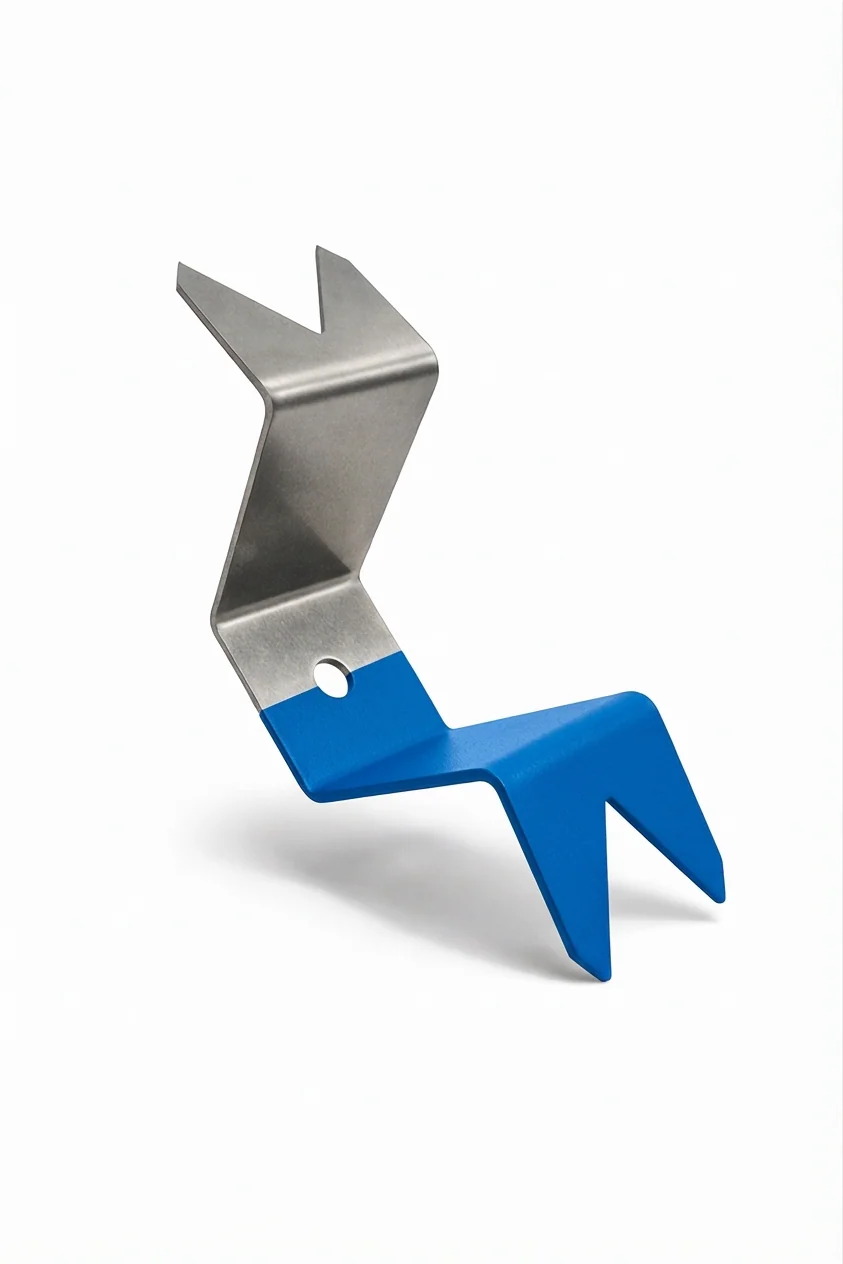
To ensure a flawless finish, the entire part must be suspended in the air. If the part were simply set down on a rack, the side resting on the rack would not get coated, and pulling it off the rack after curing would leave a large, unsightly tear in the finish.
For this reason, every part scheduled for powder coating must have at least one hole so we can hang it from a conductive metal hook.
- Electrical Grounding: The hook physically supports the part, but it also provides the essential electrical ground circuit that attracts the powder.
- Contact Marks: The inside of the hanging hole—and a microscopic ring tightly around it where the hook rests—will have a tiny bare spot with no powder. This is normal. By strategically placing holes in your CAD design, you can control exactly where this tiny contact mark happens, ensuring it stays out of visible cosmetic zones.
Key Benefits of Powder Coating
- Extreme Durability: The cross-linked polymer skin resists scratching, chipping, UV fading, and typical wear far better than standard liquid paints.
- Uniform Geometry: Because it is drawn on electrostatically, powder coating wraps around sharp edges and complex profiles without dripping, sagging, or running.
- Broad Material Compatibility: It excels on aluminum, carbon steel, and stainless steel, unlike anodizing which is specific to aluminum.
- Environmentally Safe: The process employs zero solvents and emits almost negligible volatile organic compounds (VOCs).
Powder Coating vs. Anodizing
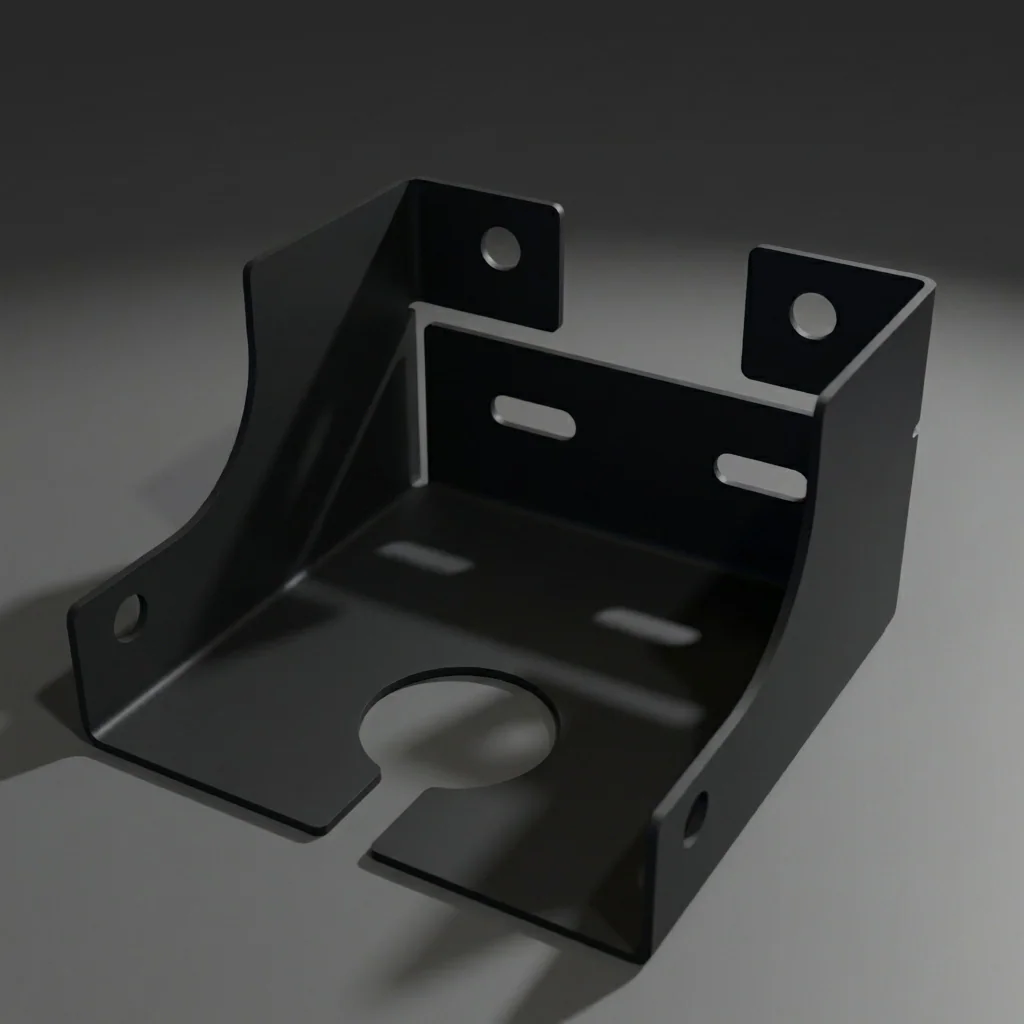
When should you coat instead of anodize?
Anodizing is an electrochemical process that grows a molecular oxide layer into the surface of aluminum. Because it is so unimaginably thin, anodizing is ideal for tight-tolerance, high-precision mating surfaces. However, anodizing only works on aluminum, and it does not hide visual defects or raw machine marks on the base metal.
Powder coating, on the other hand, deposits a physical layer of material (typically between 0.002" to 0.004" thick). While you must account for this thickness on precision holes or tight slots, this physical layer easily hides minor scratches and creates a smooth, vivid cosmetic finish. Furthermore, powder coating can be applied to both steel and aluminum indiscriminately.
Powder Coating vs. Wet Painting
While liquid paint has its place in certain aerospace or touch-up applications, powder coating universally outperforms wet paint in volume manufacturing environments.
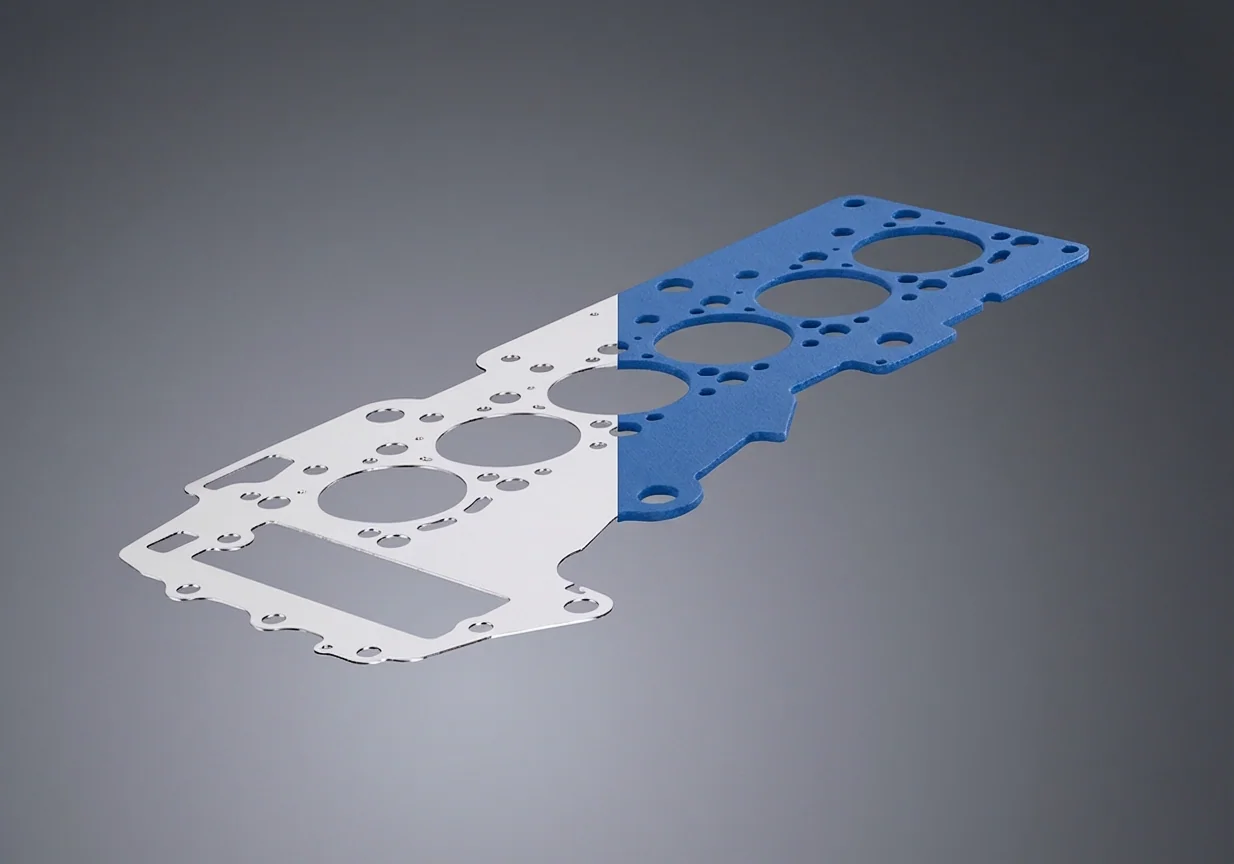
Liquid paint relies on evaporating chemical solvents to dry, which shrinks the layer, extends processing time, and introduces the physical risk of sagging or pooling. Powder coating melts into a smooth, thick thermal skin and cures fully the moment it cools down directly out of the oven. If your part requires a robust finish designed for impact, outdoor ruggedness, or frequent handling, powder coating is the superior choice.