Now anodizing in-house — Get your instant quote →
Overview
How It Works
Colors
Materials
Specs
Design Tips
Stock List
Sulfuric Acid Process

TYPE II

ANODIZING.

Decorative and corrosion-resistant electrochemical finishing for aluminum sheet metal — clear, black, and full-color dye options that bond into the metal itself, not on top of it.

.0005″
Coating thickness
8
Standard colors
9H+
Surface hardness
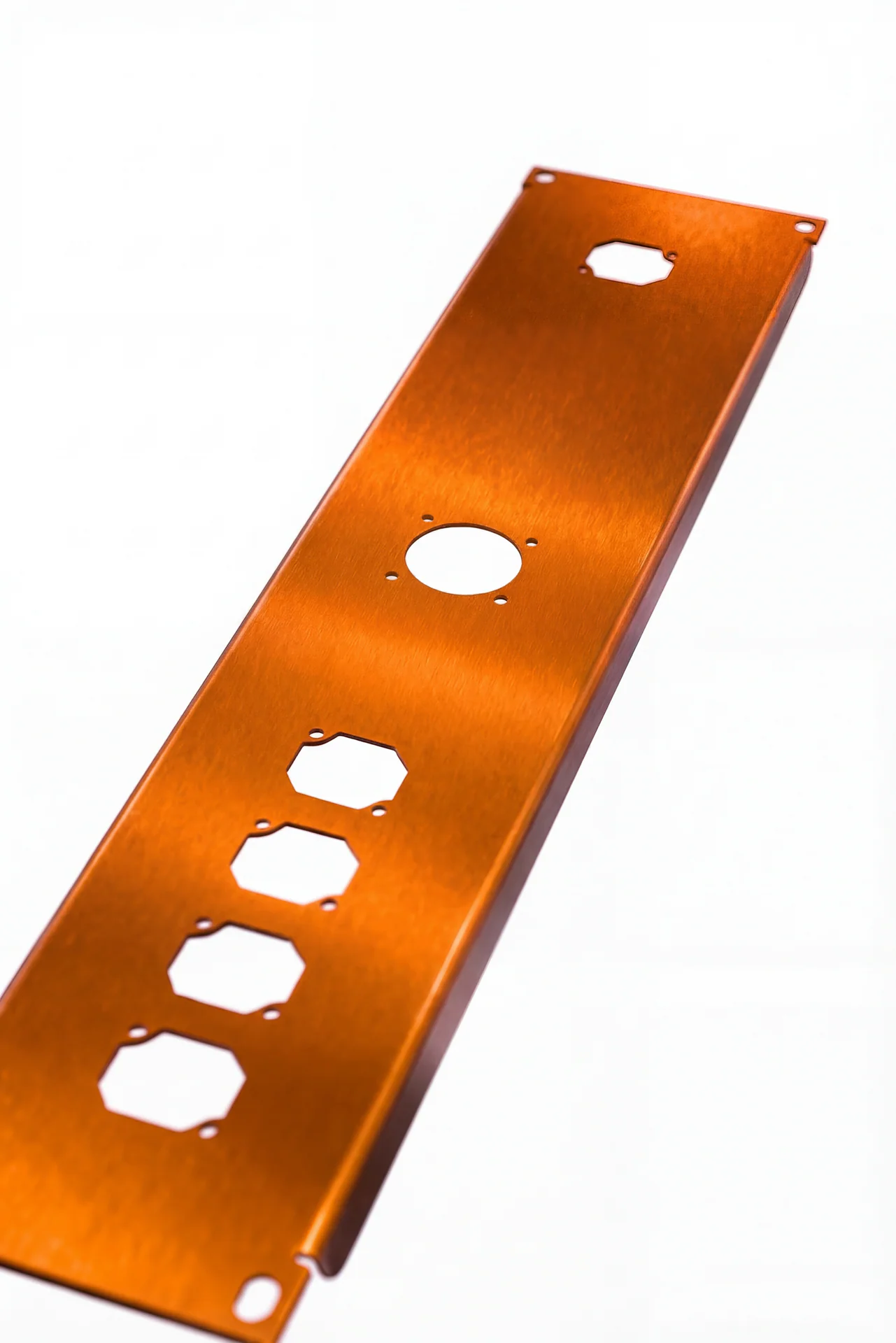
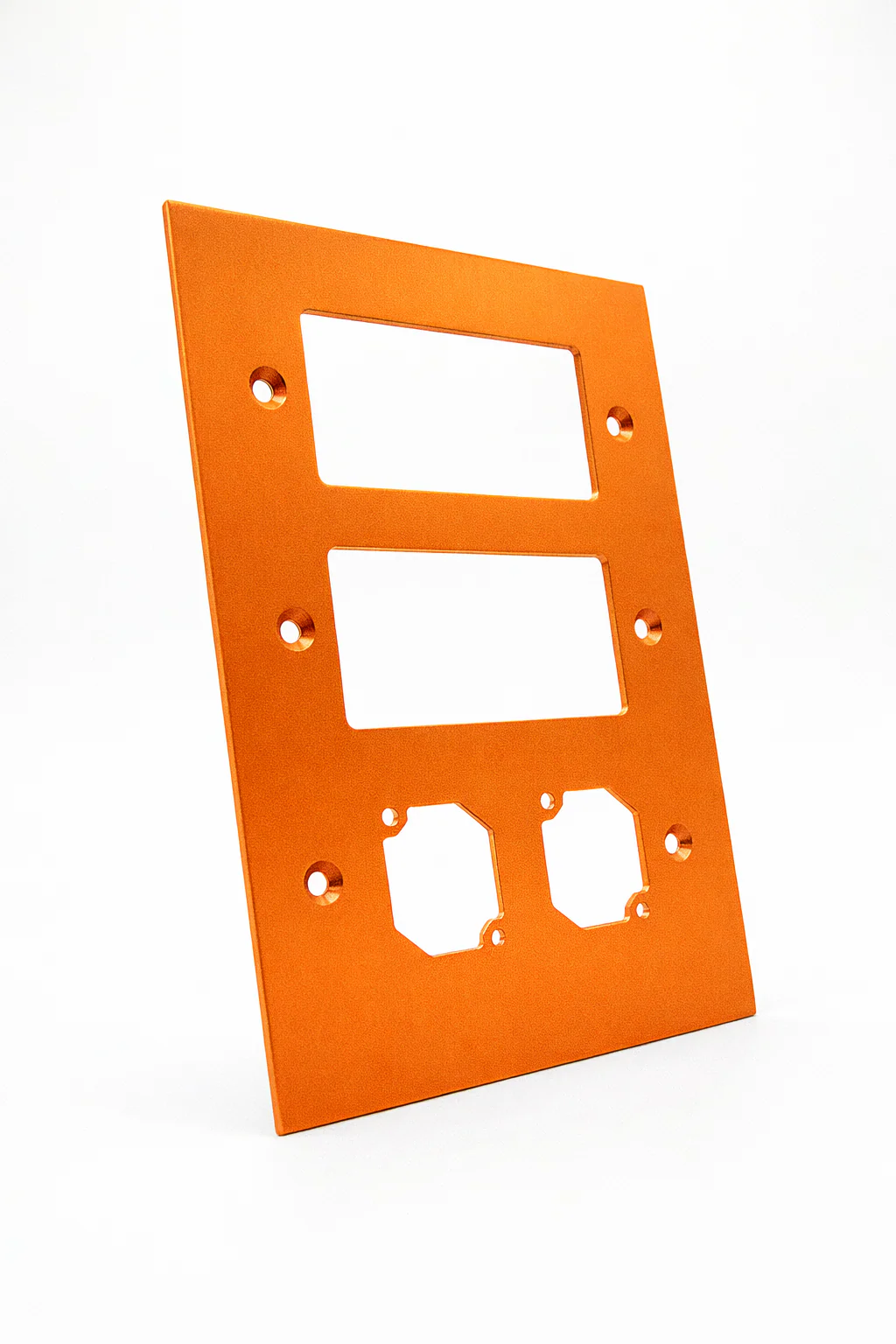
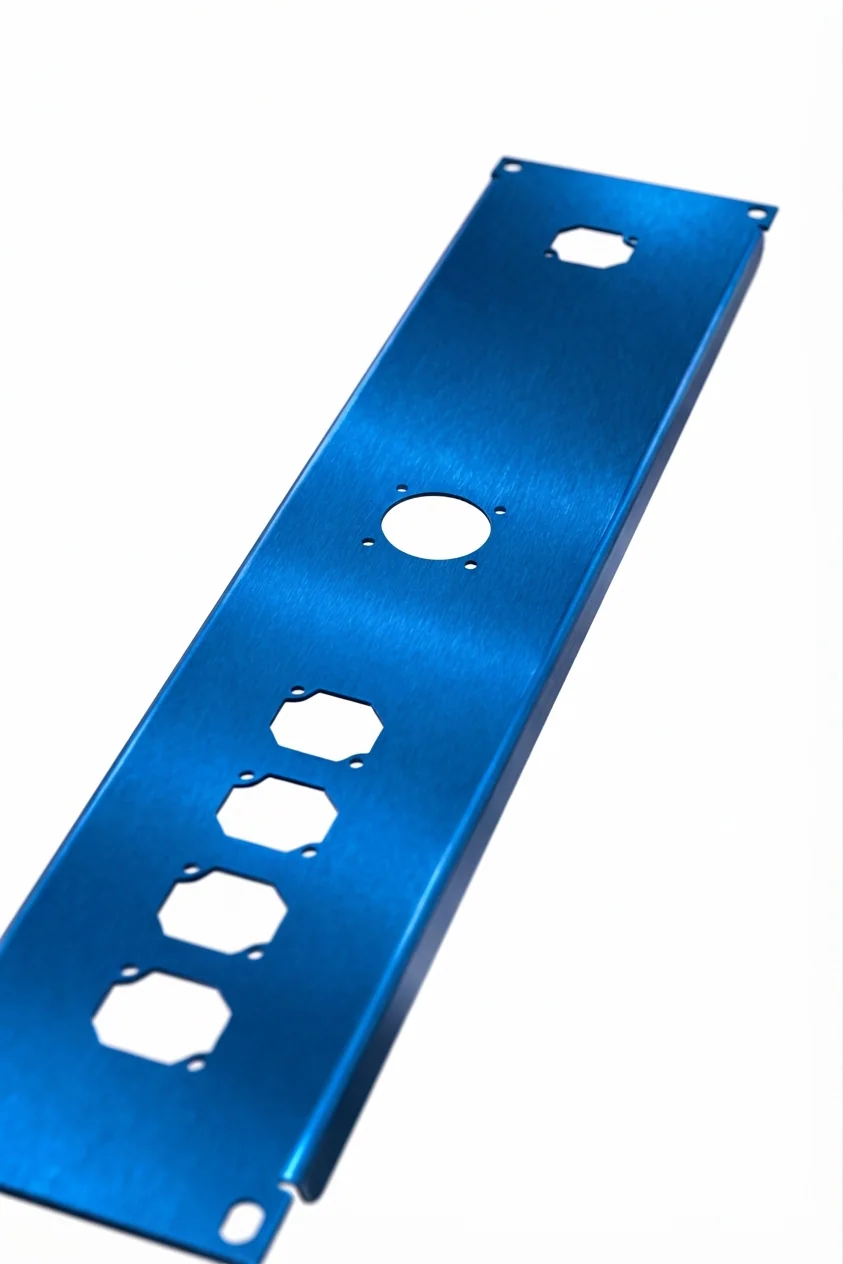
Type II Anodized aluminum parts at Xeon NC
01 — How It Works

GROWN IN.

NOT COATED ON.

Type II anodizing is an electrochemical process — not a paint or coating. Aluminum parts are submerged in a sulfuric acid bath and charged as the anode. Oxygen liberated at the surface reacts with aluminum to grow a hard, porous oxide layer that is part of the metal itself. Once dyed and sealed, the finish cannot peel, chip, or flake.

01
Clean & Etch
Parts are degreased and etched in caustic soda to remove the natural oxide layer and create a uniform satin surface ready for anodizing.
02
Desmut & Rinse
Alloying elements left on the surface (copper, silicon, iron) are removed with a nitric acid desmut. Multiple rinses prepare the part for the bath.
03
Anodize
Submerged in sulfuric acid at 18–22°C with a 12–18 V DC current. Oxide grows downward into the metal at a controlled rate — typically 30–60 minutes for a Type II thickness.
04
Dye
The fresh oxide is porous — immersing the part in an organic dye bath lets the pores absorb color before sealing. Skipped for clear (natural) anodize.
05
Seal
A hot deionized water or nickel-acetate seal closes the pores, locking in the dye and the finish. Sealed parts pass standard salt-spray and UV testing.
02 — Color Comparator

PICK A COLOR.

SEE THE DYE.

Pick a swatch to load that anodized color into the right side of the slider. Drag left or right to compare it against a clear (untinted) anodize on the same alloy — the dye-infused finish on the right is the only difference.

Anodized aluminum color sample
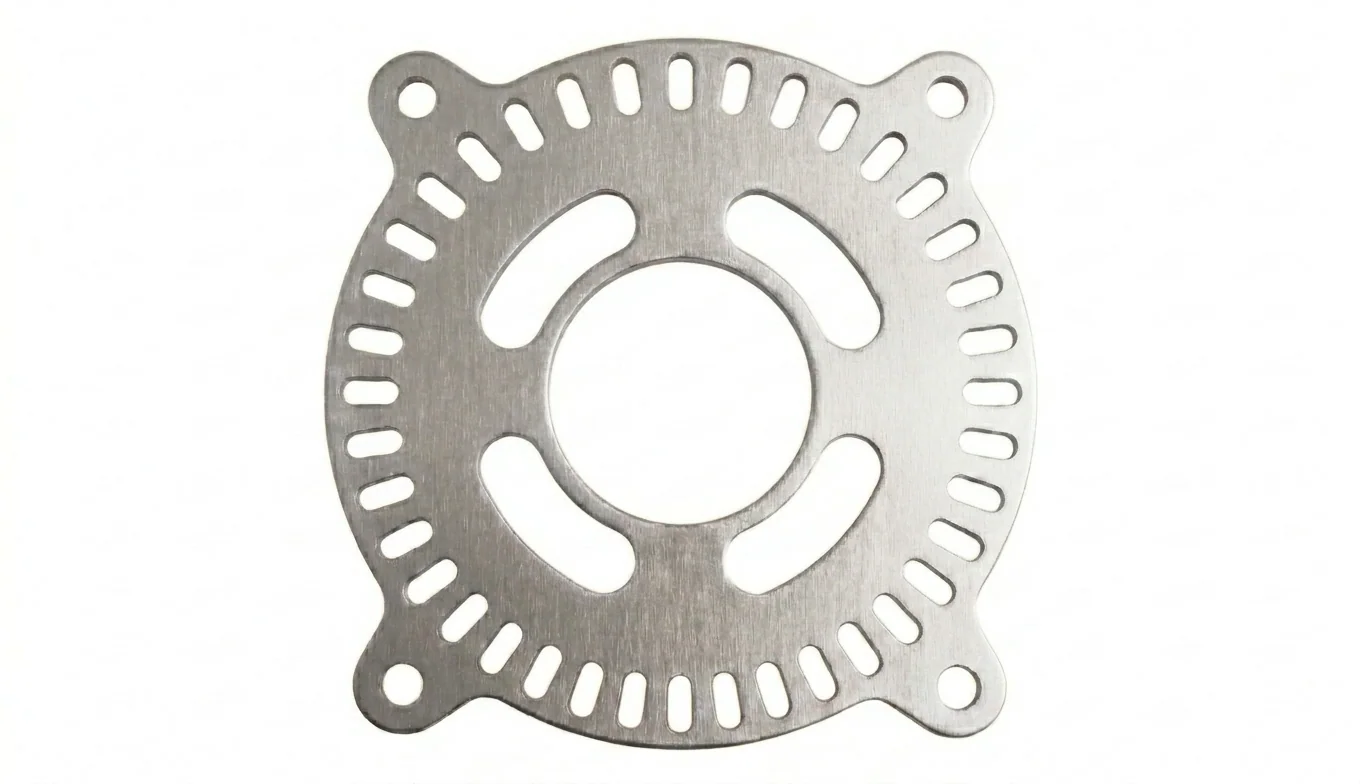
Clear (untinted) Type II anodize
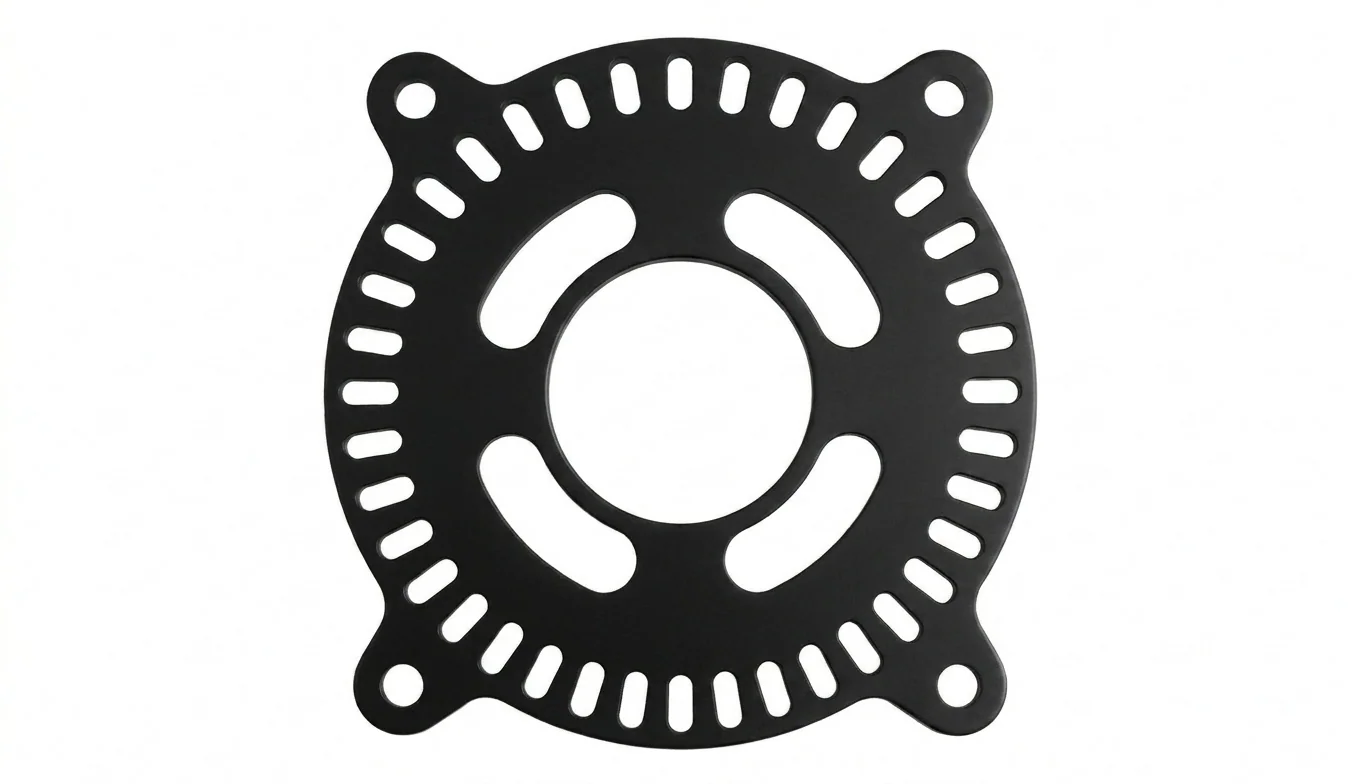
Clear Anodize Jet Black

← Drag slider left & right to compare  →

// CLEAR · Natural
Clear Anodize

Untinted Type II finish. Preserves the silver tone of the underlying aluminum — ideal when you want the corrosion and hardness benefits of anodize without changing the part's color.

// BLACK · Most Popular
Jet Black

Deep matte black — standard for AV racks, broadcast panels, and any product where reflected light is unwanted.

Need a custom color match? Send us a swatch →
03 — Materials

ALUMINUM

ONLY.

Type II anodizing is an aluminum-only process. Different alloys take dye differently — the silicon, copper, and magnesium content all affect final color depth, evenness, and appearance.

  • 6061-T6 — the gold standard. Takes color cleanly and consistently. First choice for visible parts that need a uniform finish.
  • 5052-H32 — magnesium alloy. Anodizes well but tends to come out a touch lighter than 6061; best for clear or light colors.
  • 3003-H14 — pure-aluminum-heavy alloy. Anodizes uniformly but lower hardness; finish is softer and more easily marked.
  • 7075-T6 — high-strength aerospace alloy. Anodizes with a slightly yellow cast in clear; black and dark colors hide it cleanly.
  • 2024 / high-copper alloys — not recommended for decorative anodize. Copper bleeds into the bath and causes blotchy color — specify Type III hardcoat instead.
  • Cast aluminum (A356, A380) — available but expect uneven, darker results due to silicon content. Always submit a sample for color approval.
Anodized aluminum sheet metal alloys
6061 - PREMIUM
5052 - STANDARD
04 — Specifications

TECHNICAL DATA

Specification
MIL-PRF-8625 Type II · AAMA 611 · ISO 7599
Coating Thickness
0.0002″ – 0.001″ (5 – 25 µm) · standard architectural is 0.0007″
Bath Chemistry
Sulfuric acid (H₂SO₄) at 165–200 g/L · 18–22°C
Process Voltage
12 – 18 V DC · current density 12 – 18 A/ft²
Surface Hardness
9H pencil hardness · 250–350 HV (significantly harder than the parent aluminum)
Compatible Alloys
6061-T6 · 5052-H32 · 3003-H14 · 7075-T6 (cosmetic limitations on 2024 and high-copper alloys)
Color Options
Clear · Black · Red · Blue · Gold · Bronze · Green · Purple · Custom match on request
Salt Spray (ASTM B117)
336 hours · no failure on Class 2 sealed parts
Process Sequence
Hardware insertion → bending → final inspection → anodize. Threaded holes are masked or chased after.
Lead Time
Adds 3–5 business days to standard production
File Requirements
Specify finish callout on drawing — e.g., “ANODIZE PER MIL-PRF-8625 TYPE II CLASS 2 BLACK.” Identify any masked features and electrical contact (rack) points.
05 — Design Tips

DESIGN IT

RIGHT.

A few callouts on your drawing prevent the most common anodizing problems — and protect critical features from being affected by the bath.

  • Call out the spec on the drawing: e.g., “ANODIZE PER MIL-PRF-8625 TYPE II CLASS 2, BLACK.” Class 1 = non-dyed, Class 2 = dyed.
  • Account for dimensional growth: the oxide grows roughly 50 / 50 into and out of the surface. Tight-tolerance bores or threads should be masked or post-chased after anodize.
  • Threaded holes: tap holes after anodizing or specify masking. Anodize will not coat masked threads — they remain bare aluminum.
  • Mark a rack point: every part needs an electrical contact during anodize. The rack mark is a small bare-aluminum spot that won't take dye — identify a hidden location for it.
  • Color consistency across batches: dye depth varies slightly between runs. If you need exact match across an order, run all parts in a single batch — don't split production.
  • Hardware before finishing: install all PEM nuts, studs, and standoffs before anodizing. Steel hardware will not coat — it stays raw and may rack-mark surrounding aluminum.
  • Welded assemblies: weld discoloration is permanent under anodize. For cosmetic welded parts, specify ground-and-blended welds before finish.
  • Avoid stamped logos / serial numbers in the bath: deep stamps catch dye unevenly. Laser-etch after anodizing for crisp, contrasting marks.
Type II anodized part design reference
RACK POINT
MASKED THREAD
06 — Stock List

ANODIZABLE

MATERIALS

Every aluminum alloy, finish, and gauge we anodize, with how each one takes dye. Each thickness shows the finished dimension after a standard 0.0007″ coating — anodize grows the part, it does not sit on top of it.

Type II anodizing is available on our stocked aluminum. See the Materials Guide for every gauge.
Finished thickness after a 0.0007″ Type II coating Growth is roughly half the coating on each surface — the other half converts base metal
Ready for Production

QUOTE YOUR PARTS

Upload your DXF or STEP file and select Type II anodize during quoting. Choose your color, callout class, and we handle every step in-house before shipping.

Get a Quote All Finishes →